Pages

Sponsor

Ads

Malwares

Chatting Softs

Media Players

Showing posts with label software news. Show all posts

Wednesday, 23 March 2016

Remix OS Android operating system – but for PCs

Deep dive Jide’s Remix OS is Android for a desktop or tablet OS: with multitasking, overlapping windows and the shortcut conveniences you need for productivity-style work.
And the firmware tweaks to make it run well on x86 processors. I’ve seen what the next billion internet users will be running.
Jide was founded by three Google veterans and draws heavily on the Android-x86 project, a heroic solo effort by Chinese engineer Chih-Wei Huang, that he began seven years ago. The founders moved to Beijing to be close the Huang and China’s supply chains.
“It’s where the talent pool is,” the founders told me when I met them recently. There are now more than 150 staff at Jide.
Jide’s first product was a nifty, pebble-shaped Mini, which raised $1.6m on Kickstarter. It’s also unveiled an 11.6-inch Surface-like tablet, NVIDIA Tegra powered,with detachable keyboard. Both are ARM-based hardware.
Jide sees its mission as “unifying the whole computing platform” – and from the results so far, I reckon it stands a very good chance of doing just that.
The most promising market for Remix OS is emerging markets. Dumb terminals like Chromebooks are too limited; they need always on connectivity that isn’t there. Full fat Windows 10 is still too complex and bloated. The slimmer Windows 10 Mobile just doesn’t have the apps. (Yet).
I chose to set up Remix OS from scratch on a 2011 Lenovo Thinkpad. I found a few minor convenience glitches but overall it was surprisingly slick and functional. And the apps just rain down from the Google Play store.
To get an idea of what Remix has achieved, and what it needs to do be truly prime time, here’s the journey.
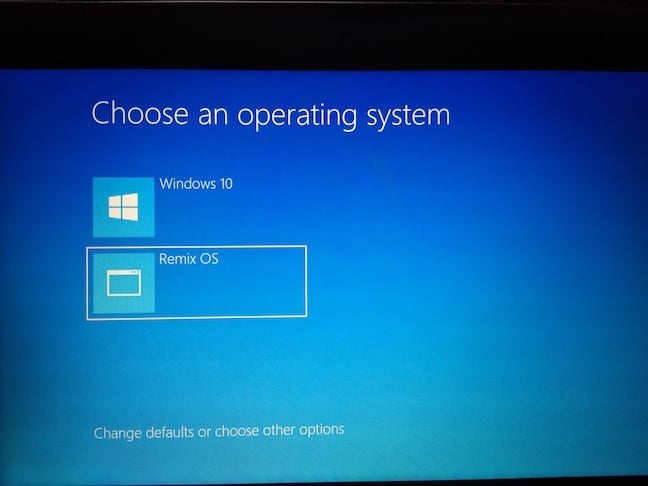
Remix comes as a ZIP file with a USB installer and the image file. USB 3.0 and 8GB are recommended for the USB stick. You can run it off the USB drive but here I installed it side-by-side with Windows.This boot screen will appear every time you start the machine from now on. It’s a bit misleading. Choose Remix OS at this point and the Thinkpad BIOS Flash screen will appear. On installation we get a familiar GRUB screen:
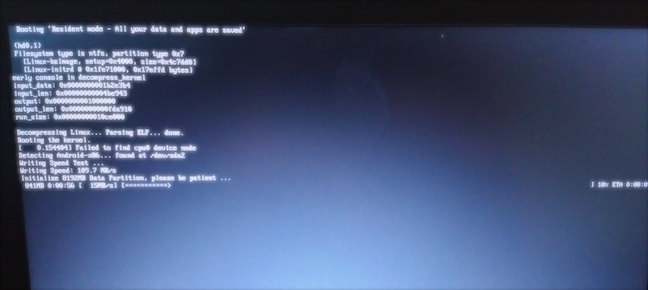
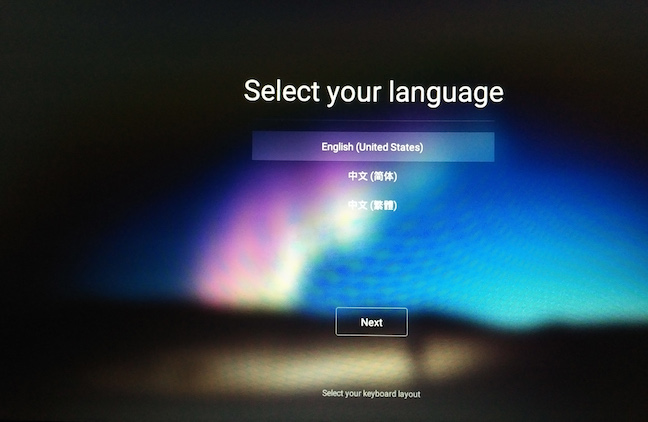
There isn't too much of an interrogation...
Another reboot and we’re in the desktop:
It’s slick but could be slicker. There’s a several second delay before it invites you to configure the menu before you see the Linux loader. But here we are.
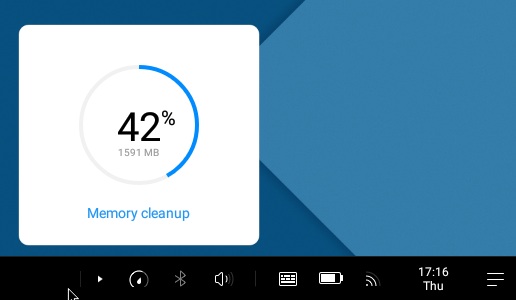
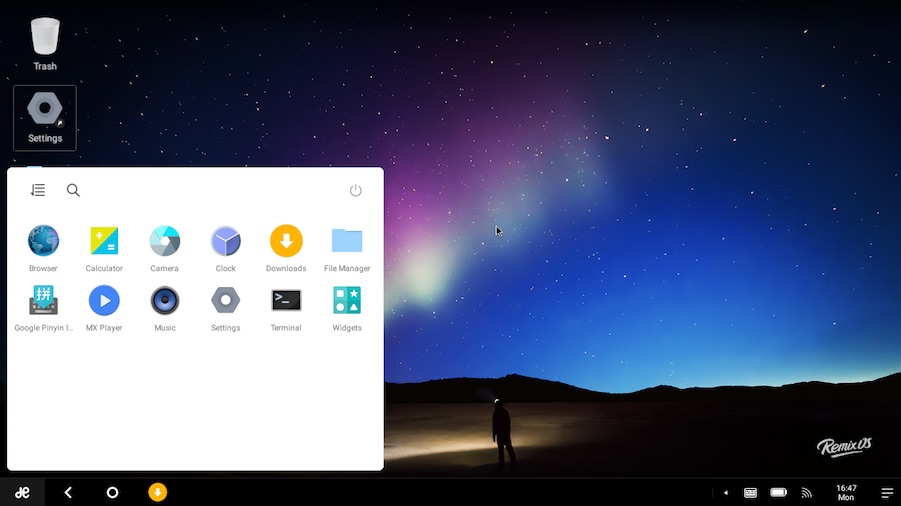
Does it look familiar?
Click to enlarge
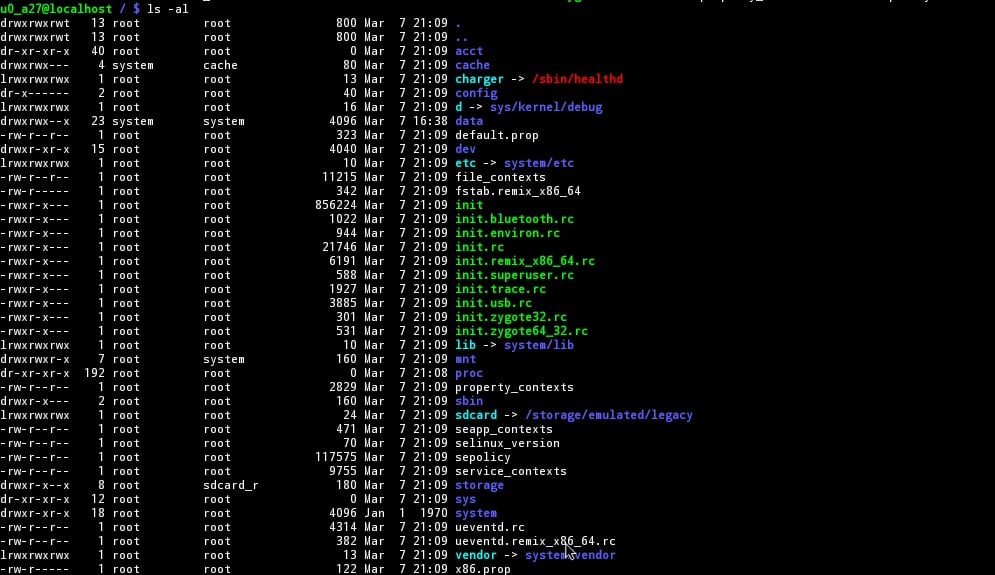
From the Terminal we can see it’s Android KitKat (4.4) with regular SE Linux underneath.
Click to enlarge
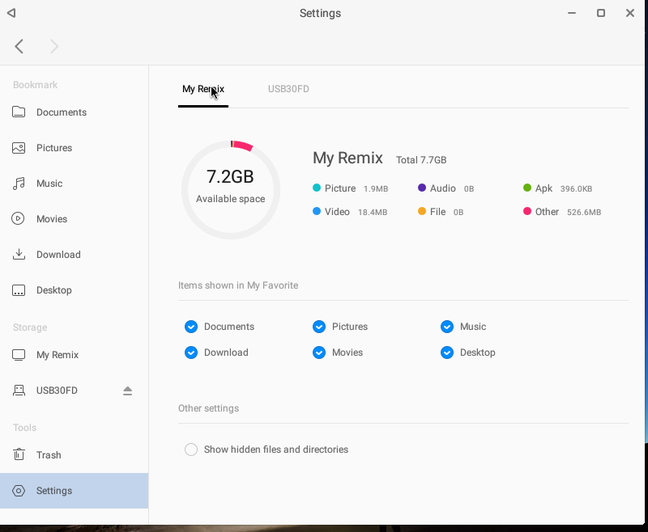
The big addition is a desktop/tablet-class file manager, with drag and drop between windows.
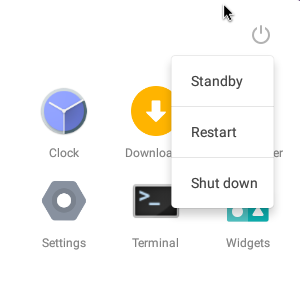
Shutdown and Standby hang from the Start menu – but also from every file manager window too:
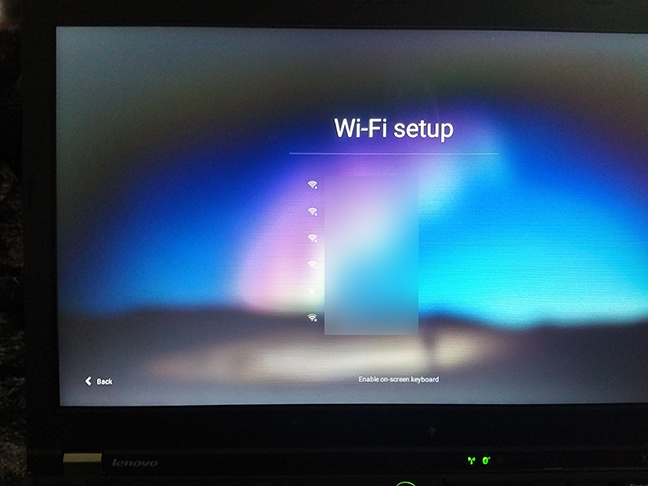
On my Thinkpad X220, I needed to manually connect to the Wi-Fi network, a bit of a pain.
Another familiar Windows element....
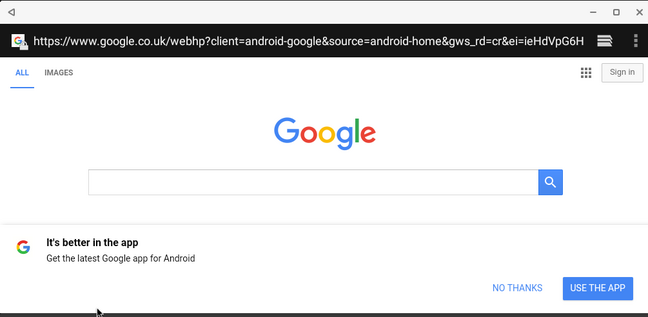
And the bundled browser is KitKat's.
Now came the most consuming part...

Getting Google Play store to work

Once you’ve allowed Remix to download from unknown sources, you can install a Play .APK. Don’t download from unknown sources – I went with one recommended in the Google+ Remix group.
Saturday, 6 February 2016

Judge Denies Access to Source Code for DNA Software Used in Criminal Cases

 Computer scientist Mark Perlin developed TrueAllele, a computer program used by law-enforcement authorities to help sift through complex mixtures of DNA from crime scenes.

A Pennsylvania judge has blocked an attempt by defense lawyers for a man charged with murder to obtain the source code of a computer program increasingly used by law enforcement authorities to untangle complex mixes of DNA found at crime scenes.
Judge Jill E. Rangos said in a ruling filed late Thursday that defense lawyers for Michael Robinson, who is charged with shooting to death two men in Allegheny County, Pa., failed to show that “production of the source code is a linchpin to undermining the Commonwealth’s case” as it pertains to the DNA evidence.
Requiring the company, Cybergenetics, to produce the source code could “have the potential to cause great harm”  to the company by exposing its trade secrets, she said. Mr. Robinson’s case was featured in a November Wall Street Journal story about the software, called TrueAllele.
Kenneth Haber, a lawyer for Mr. Robinson, said he and his co-counsel, Noah Geary, were considering their next steps, including a possible appeal. Mr. Haber said Judge Rangos had declined to address their central argument.
“A defendant under the the Sixth Amendment has the right to confront every witness against him,” Mr. Haber said. “Part of confronting a witness, especially an expert witness, is to be able to know what that expert is doing to arrive at their conclusions. Without the source code, Mr. Robinson cannot exercise his Sixth Amendment right.”
Messrs. Haber and Geary had asked Judge Rangos to allow them to review the source code under a protective order that would have prohibited them from sharing it, in order to address concerns by Cybergenetics about its trade secrets being exposed.
Courts in at least seven states have admitted TrueAllele results as evidence, against objections by defense lawyers whose clients have been linked to crimes by the software, which was developed by computer scientist Mark Perlin.
Law enforcement authorities have turned to TrueAllele to help them overcome a common hurdle in crime labs: making sense of DNA from multiple people that commingles on gun grips, clothing and victims. Such mixtures are often too complex for crime labs to sort, leading them to declare DNA evidence inconclusive more than half the time, experts say.
After DNA evidence is collected, analysts convert it into signals that appear as peaks and valleys. Most labs discard signals that don’t rise above certain thresholds, but TrueAllele uses all the data to tease apart a DNA mixture, separating the genetic types of each person in the sample so they can be compared with the DNA of suspects, according to Mr. Perlin.
Mr. Perlin has offered to let defense lawyers conduct their own tests on the software to satisfy themselves of its reliability. They have countered that tests alone can’t reveal what assumptions the software makes about sample degradation, for example, or how it isolates real signals from mere noise.
“Judge Rangos concurs with other courts,” Mr. Mark Perlin said in a statement on his company’s website. “Scientists test executable software programs on real data; they do not read source code text.” 
Mike Manko, a spokesman for Allegheny County District Attorney Stephen A. Zappala Jr., declined to comment.
In Mr. Robinson’s case, investigators found a black bandanna near the scene of the killings that a witness said was worn by the shooter. They sent it to the county crime lab to see if it bore the DNA of their top suspect, Mr. Robinson. The lab found a mixture of DNA from at least three people on the bandanna and deemed it too complex to analyze, according to the January 2014 lab report.
TrueAllele concluded Mr. Robinson’s DNA was on the garment. The report on the software’s findings described the match as “5.7 billion times more probable than a coincidental match to an unrelated black person.”

Site Links